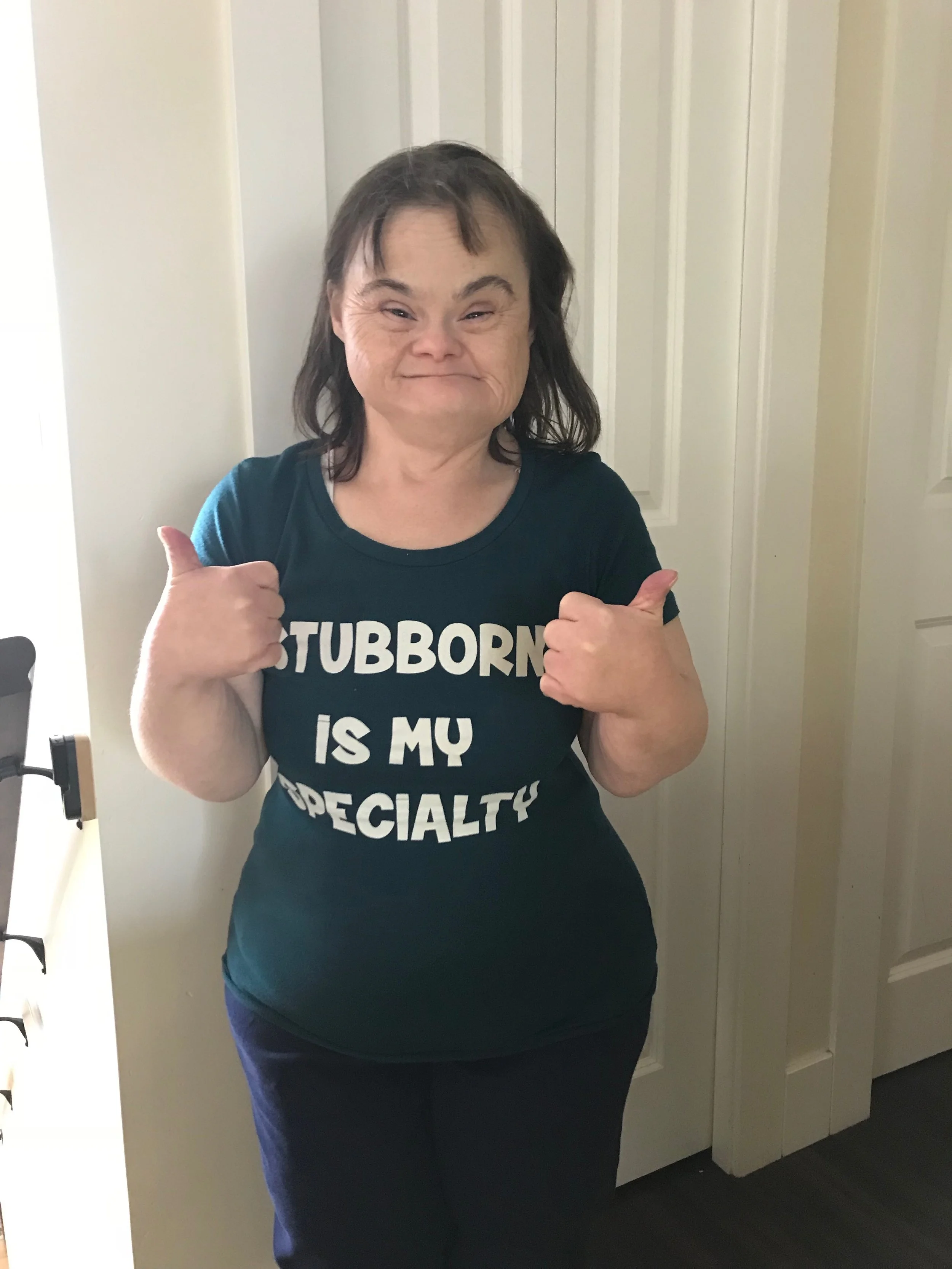
Sofie’s Story
“Being Sofie’s mom taught me to see every child’s potential, fight for what matters, and advocate with heart and purpose.”
SOFIE
Sofie was born in Bulgaria with Down Syndrome and spent the first three and a half years of her life in an orphanage.
Much of her early life was lived neglected in a small crib. She got just a few diaper changes a day and was force fed mush quickly at meal times because solid food was a choking hazard and there wasn’t enough time for staff to feed all the children at the orphanage, let alone teach them to chew. She was severely neglected and under-developed when we met her. There was minimal human contact, nor outside exposure. She had never even touched grass.
Sofie learned early how to self-soothe. She didn’t laugh or cry, because no one would respond anyway. She would just rock her body, click her jaw, and withdraw inward when things felt too big. These stims were her survival strategies.
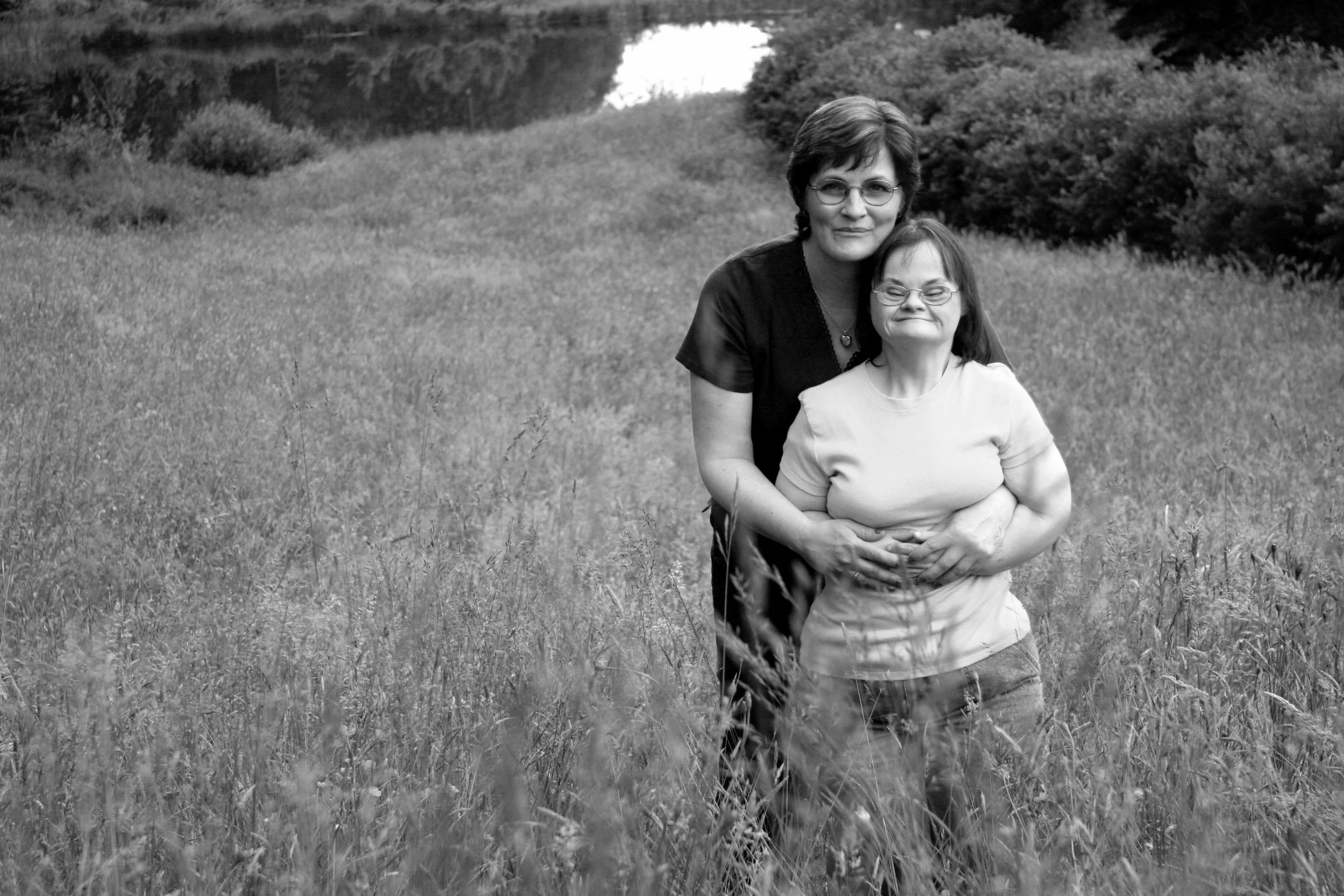
I became Sofie’s mom through adoption.
My husband and I always knew we wanted to adopt a child with disabilities but we didn’t know how completely that decision would shape us. I think becoming a parent to any child moulds us in unexpected ways but when that child has high support needs, you get a whole lot more than you bargained for! Sofie has reshaped my understanding of love, learning, and belonging in ways I could never have anticipated.
When Sofie came home to Canada, her world was suddenly loud, colourful, and unpredictable. She was frightened by everyday things most children take for granted like the sound of a toilet flushing, the feeling of grass under her feet, the freedom to move without bars around her crib. She didn’t know how to play, how to ask for comfort, or how to trust that adults would meet her needs.
But she watched. Constantly.
She studied faces, routines, and reactions. Slowly, she learned that food would come, that hands could be gentle, and that bedtime didn’t mean being left alone. One day she climbed into my lap on her own. Another day she laughed, a full-bodied laugh that felt like a small miracle. It was so quite then. Those moments marked the beginning of her healing.
Sofie is persistent in a way that can’t be taught. She will try again and again, long after others might give up. Learning to walk took time. Learning to speak took time. Learning to regulate her body and emotions took even longer. But she never stopped trying.
She loves music, the kind that makes her body move before she even realizes she’s dancing. She sings, often loudly and proudly, and doesn’t worry if she has the words exactly right. She loves routines, visual schedules, and knowing what comes next. Each day she asks me to check my phone to find out what I have planned for dinner. It helps me make sure I meal plan too! Predictability makes her feel safe. When she feels safe, she shines.
School was a big transition.
New sounds, new expectations, new people. Inclusive classrooms gave Sofie something she desperately needed: peers to learn with and belong beside. She was surrounded by classmates who cheered when she succeeded and helped when she struggled. She learned how to line up, raise her hand, and wait her turn. These are all skills that come from being part of a community, not separated from it.
Most of Sofie’s most important learning didn’t come from worksheets or IEP goals though. It came from being invited to play, being chosen as a partner, and being known by name. These experiences built confidence in ways no pull-out program ever could.
Inclusion has not always been easy or guaranteed though. There have been moments when her needs were seen as inconvenient, when expectations were lowered too quickly, or when decisions were made without truly knowing her. In those moments, I became her voice, not because she lacks one, but because people and systems often fail to listen.
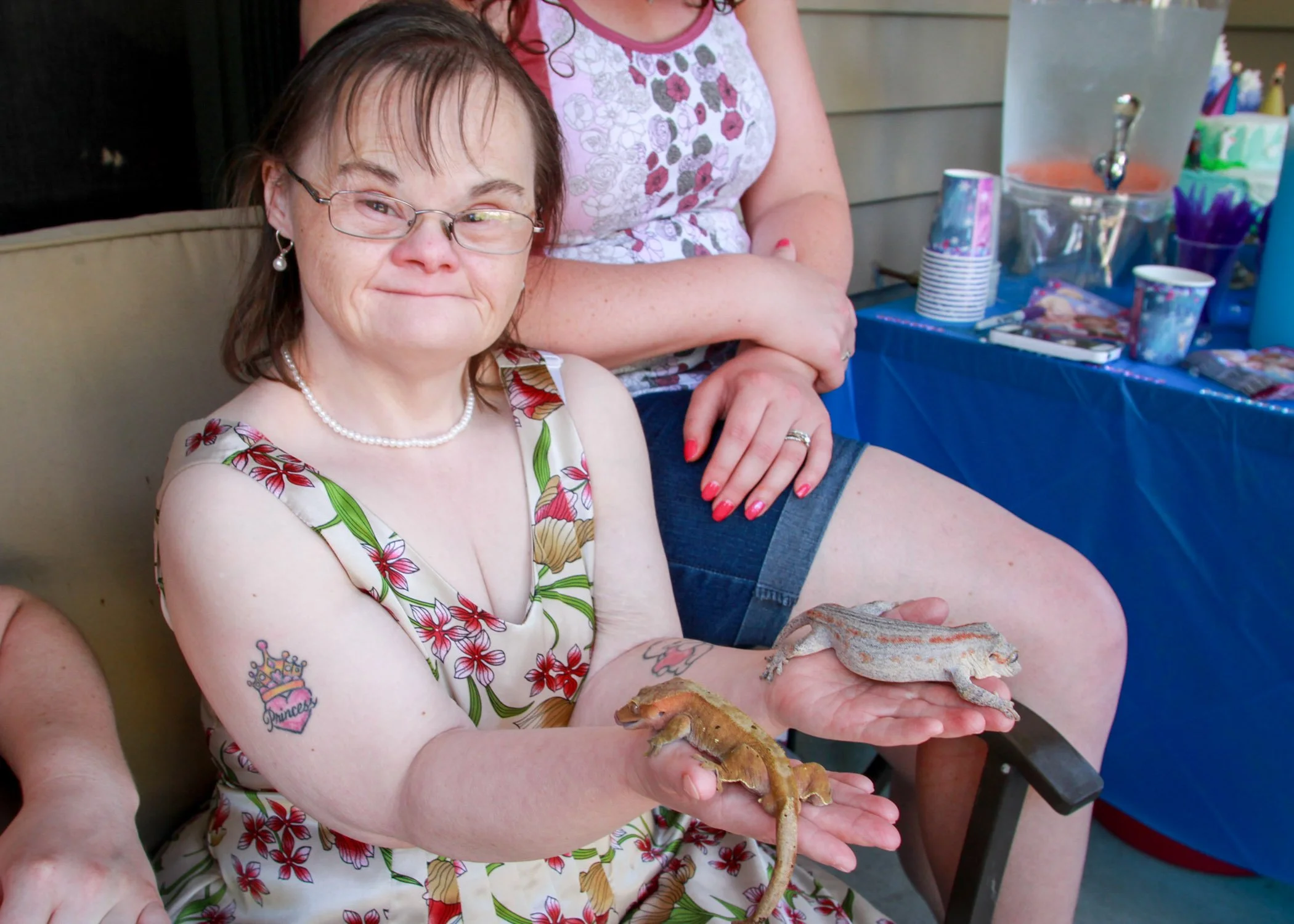
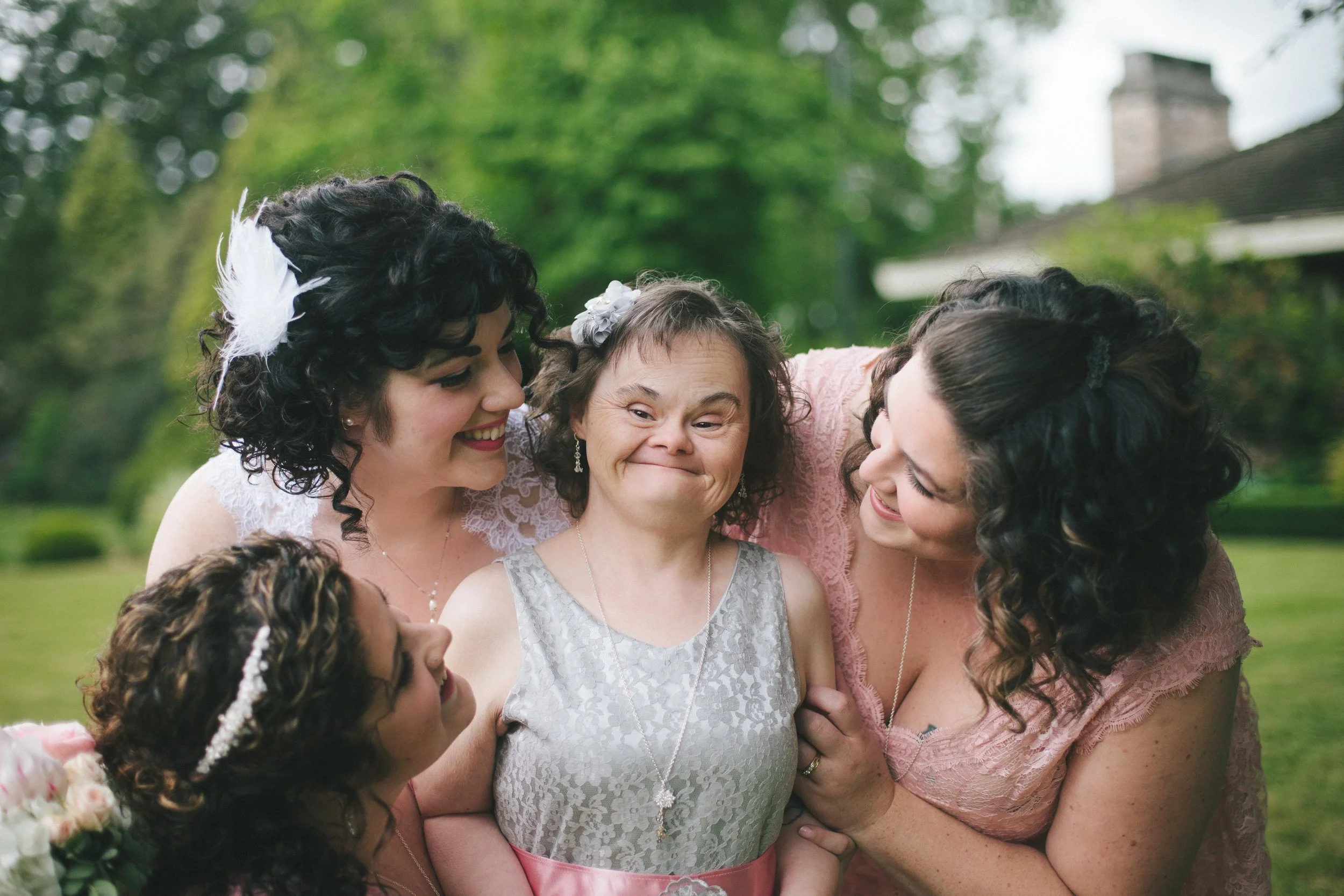
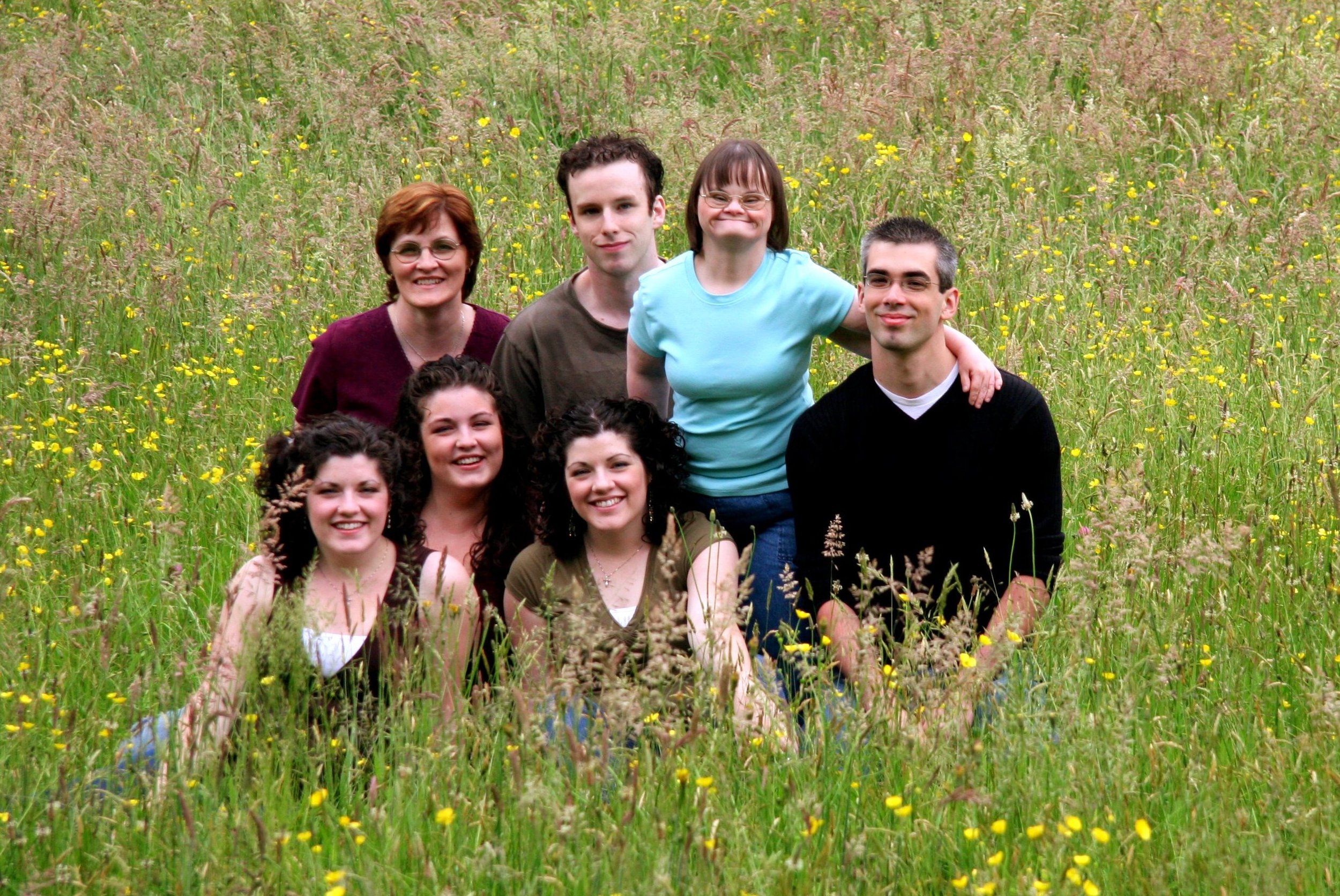
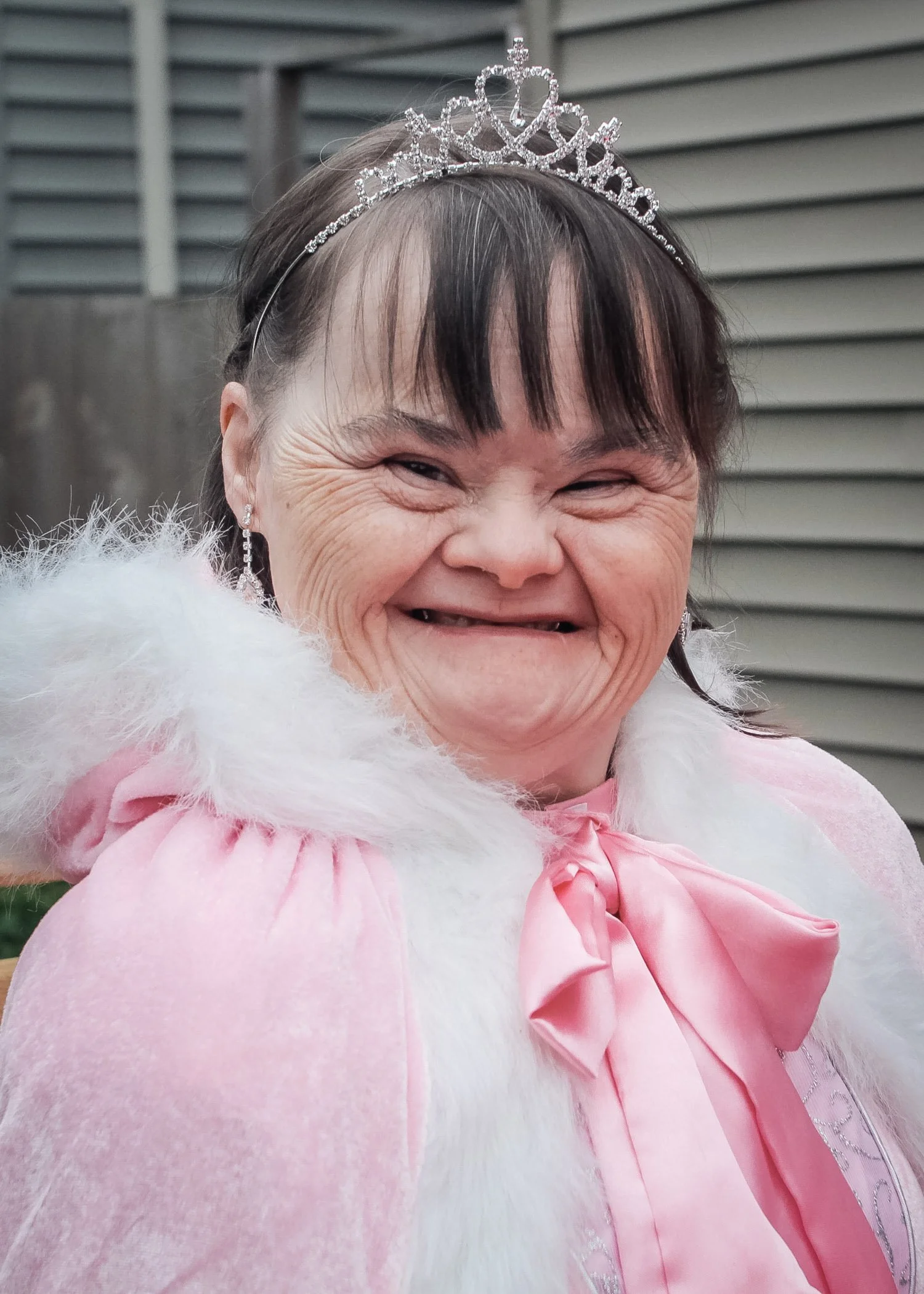
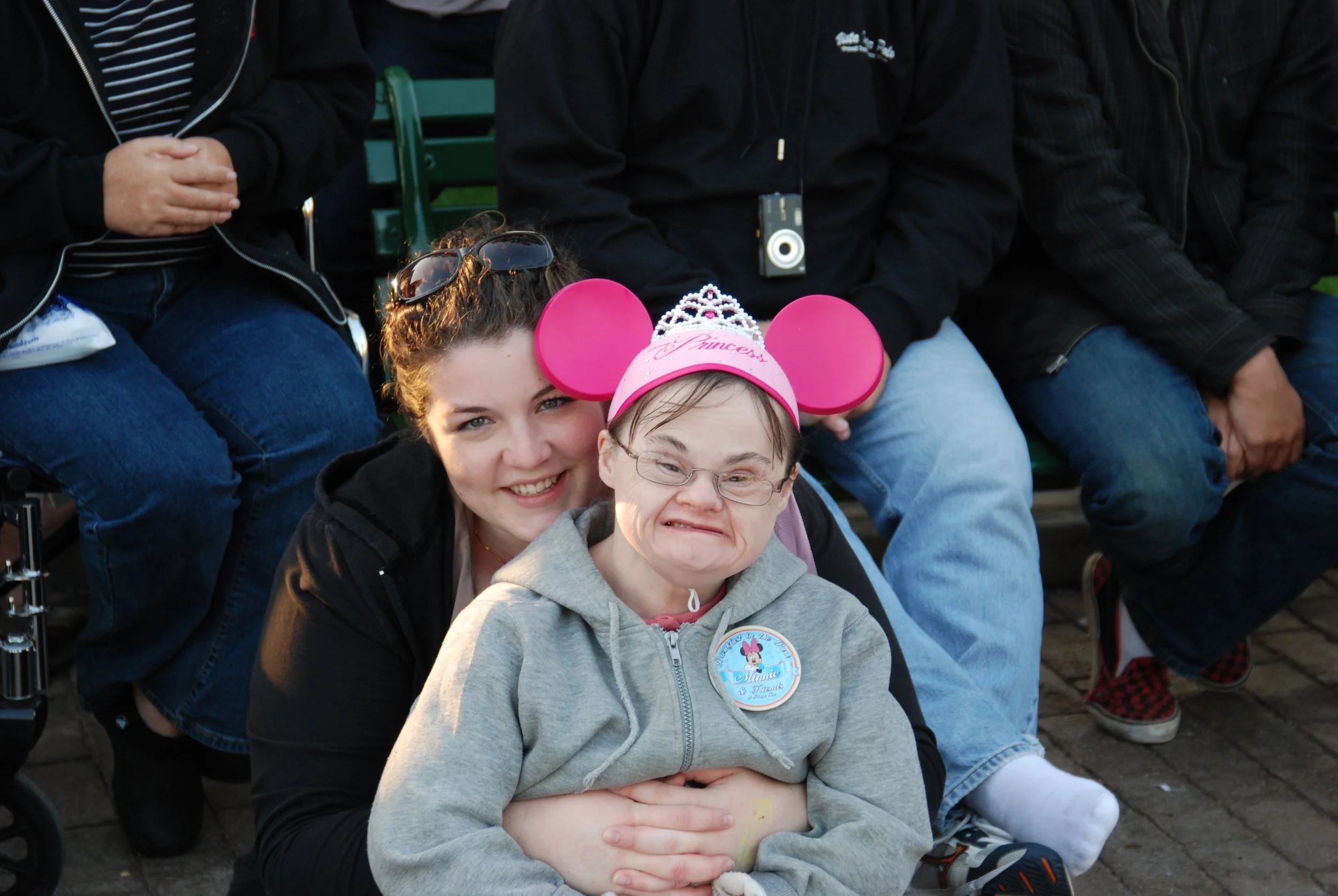
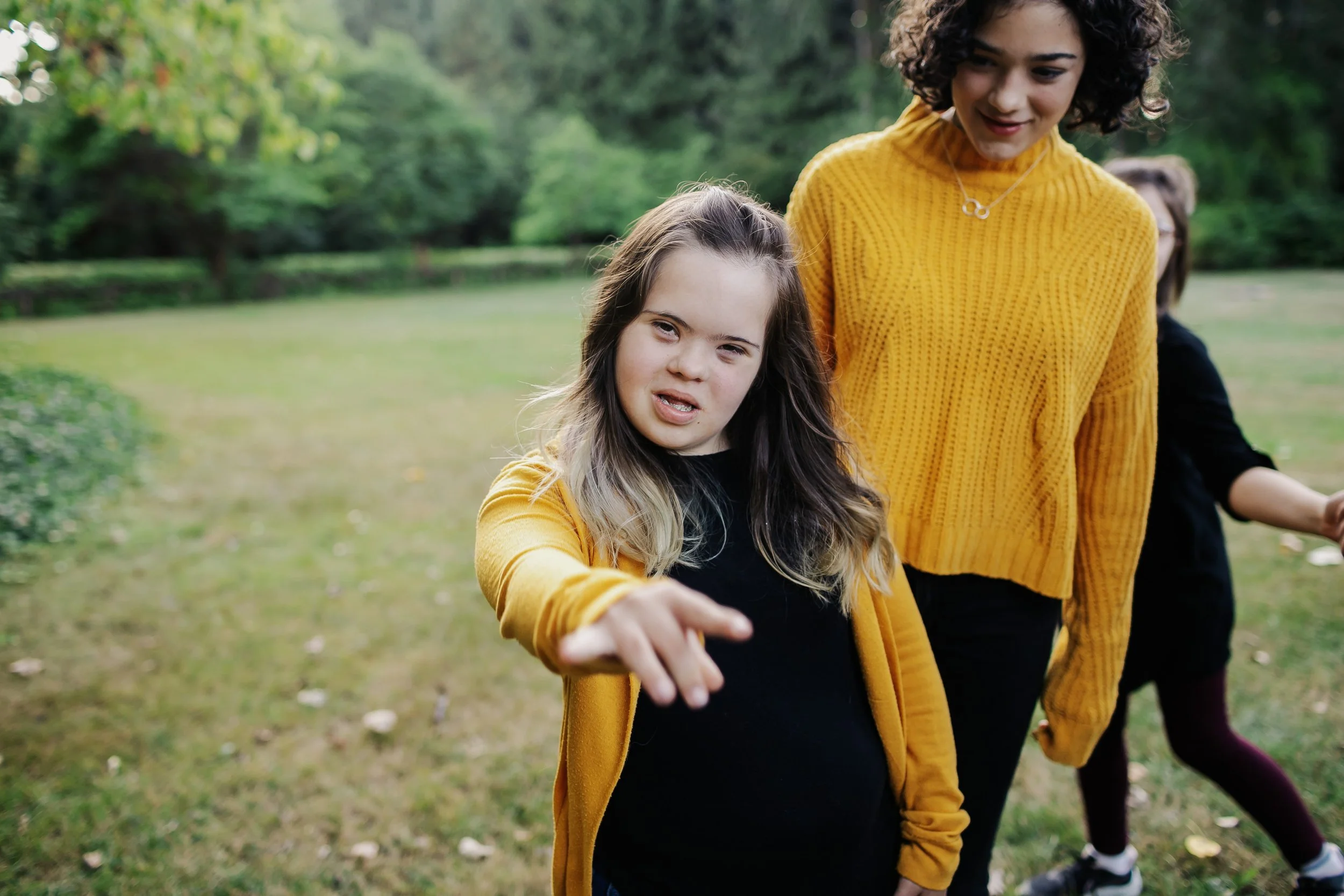
At home, Sofie is affectionate, opinionated, and deeply bonded to her sisters. She loves cuddles, silly jokes, and being part of whatever is happening. She notices when someone is upset and will often offer comfort through a hand on your arm and a quiet presence. She feels deeply.
People always assume because she has Down Syndrome, she is always happy and eager to be social. That is very limiting idea of who she is. Sofie also has ADHD and is Autistic. Her complexities and support needs keep us on our toes and I often think about how bored we would be without her in our family.
Sofie is not defined by her diagnosis’ or her early trauma.
She is a daughter, a sister, a student, a dancer, a singer, and a beloved member of her community. She is moody, helpful, hilarious and strong. She is capable, complex, and worthy of high expectations and real support.
Being Sofie’s mom has taught me to see every child’s potential, fight for what matters, and advocate with heart and purpose. Her story is why I do this work.
I advocate because I’ve seen how much children like Sofie can grow when they are included and supported.
I advocate because exclusion happens quietly and often with good intentions.
And I advocate because Sofie deserves a world that sees her for who she is, not just what she needs.
Sofie’s story is still unfolding. But one thing is already clear: Sofie belongs.